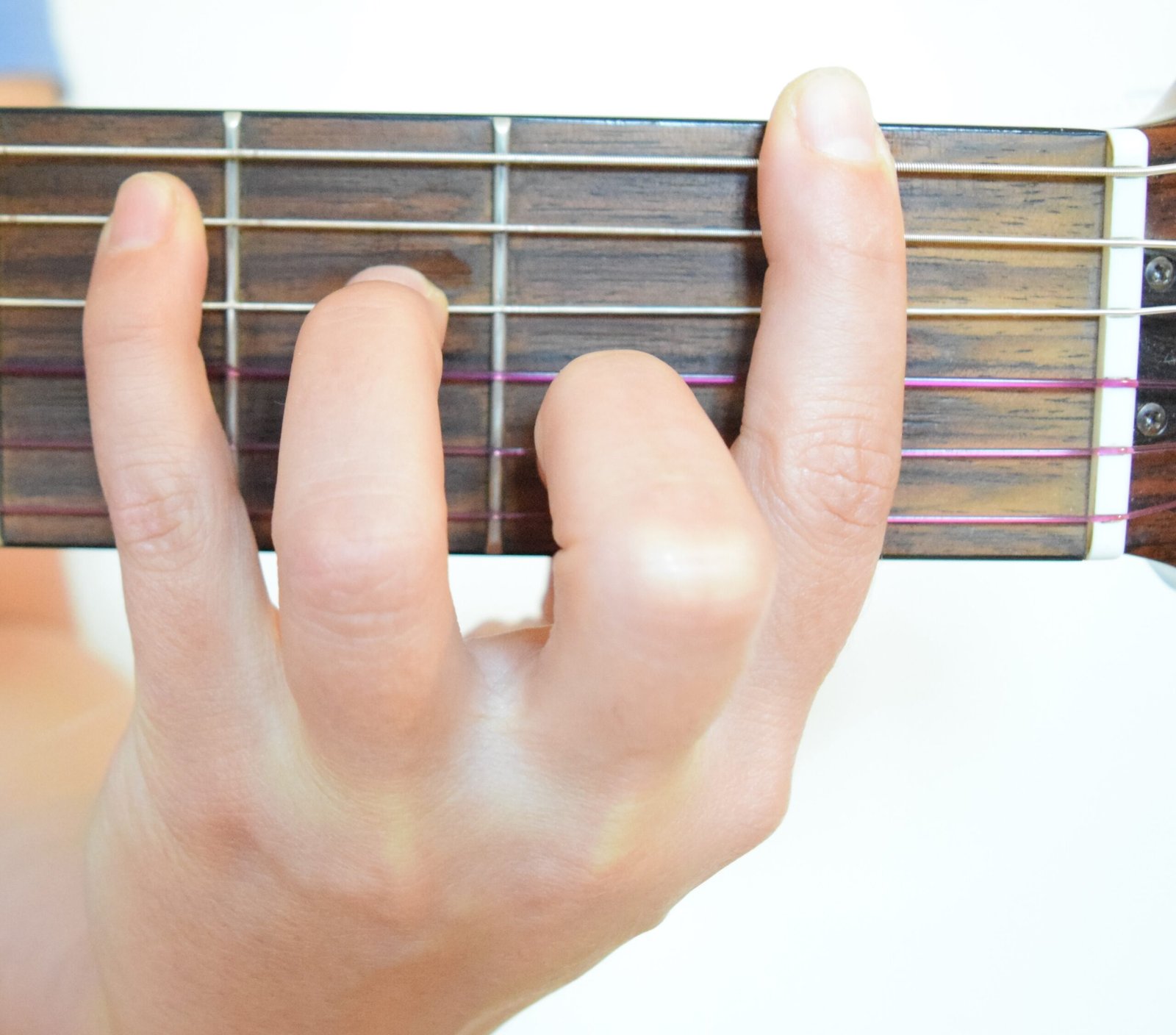
How to hold a better barre/bar chords
For a new guitarist, one of the most challenging things is playing clean barre chords. If you have just started learning guitar, you can actually play many songs without using any barre chords at all. However, mastering them is essential to becoming a skilled guitarist, and for many songs, you simply cannot avoid them, even when using a capo. It also takes time to build the strength in your fretting hand to hold the chords properly. I remember when I first started playing guitar, it took me about half a year to develop a strong and clean barre, where each string produced a clear sound.
What are the most common barre shapes?
There are two very common barre chord shapes. One comes from the E shape, which includes E major and E minor, and the other comes from the A shape, which includes A major and A minor. However, I also often use the C shaped barre as well.
How to hold a clean barre
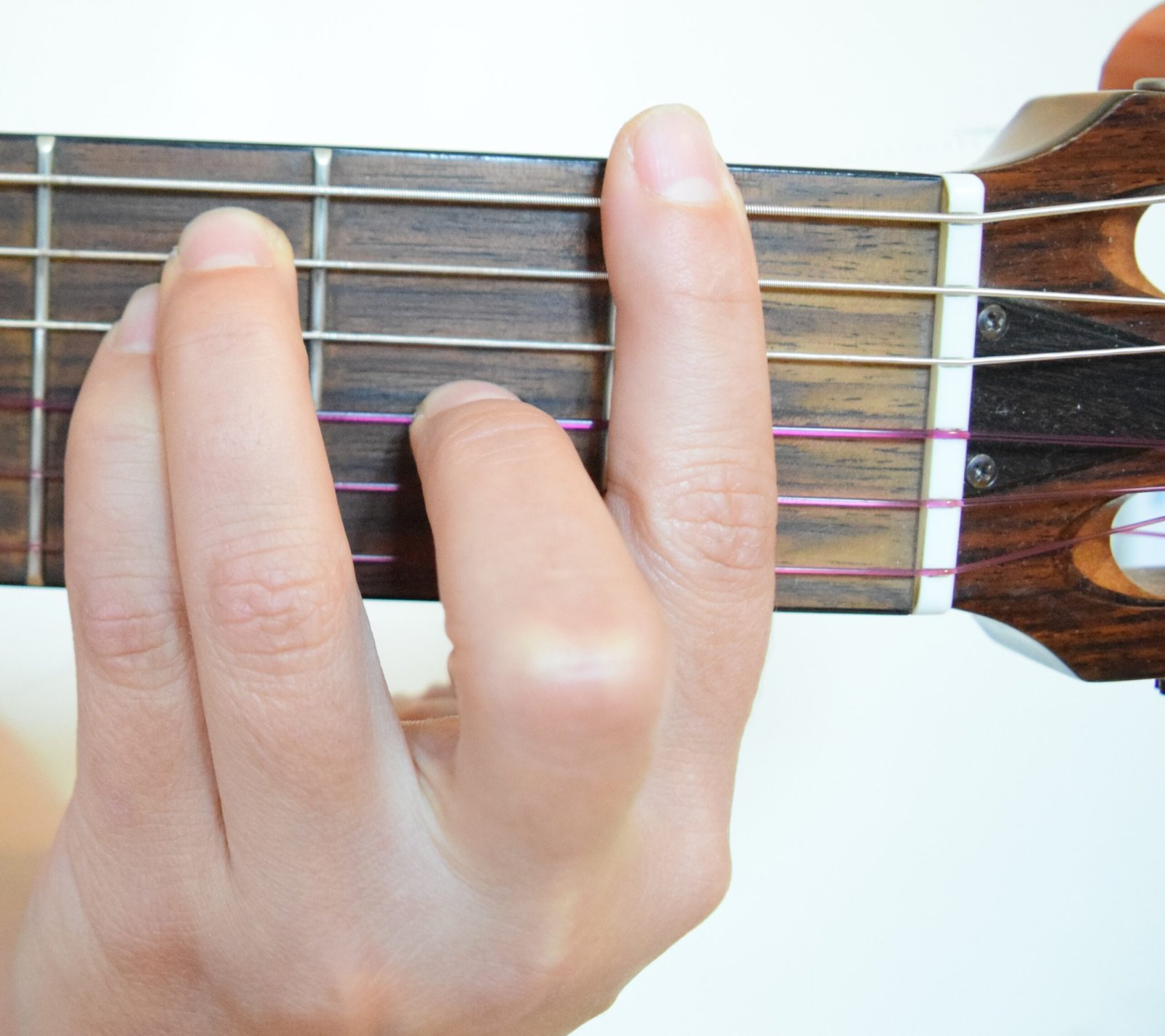
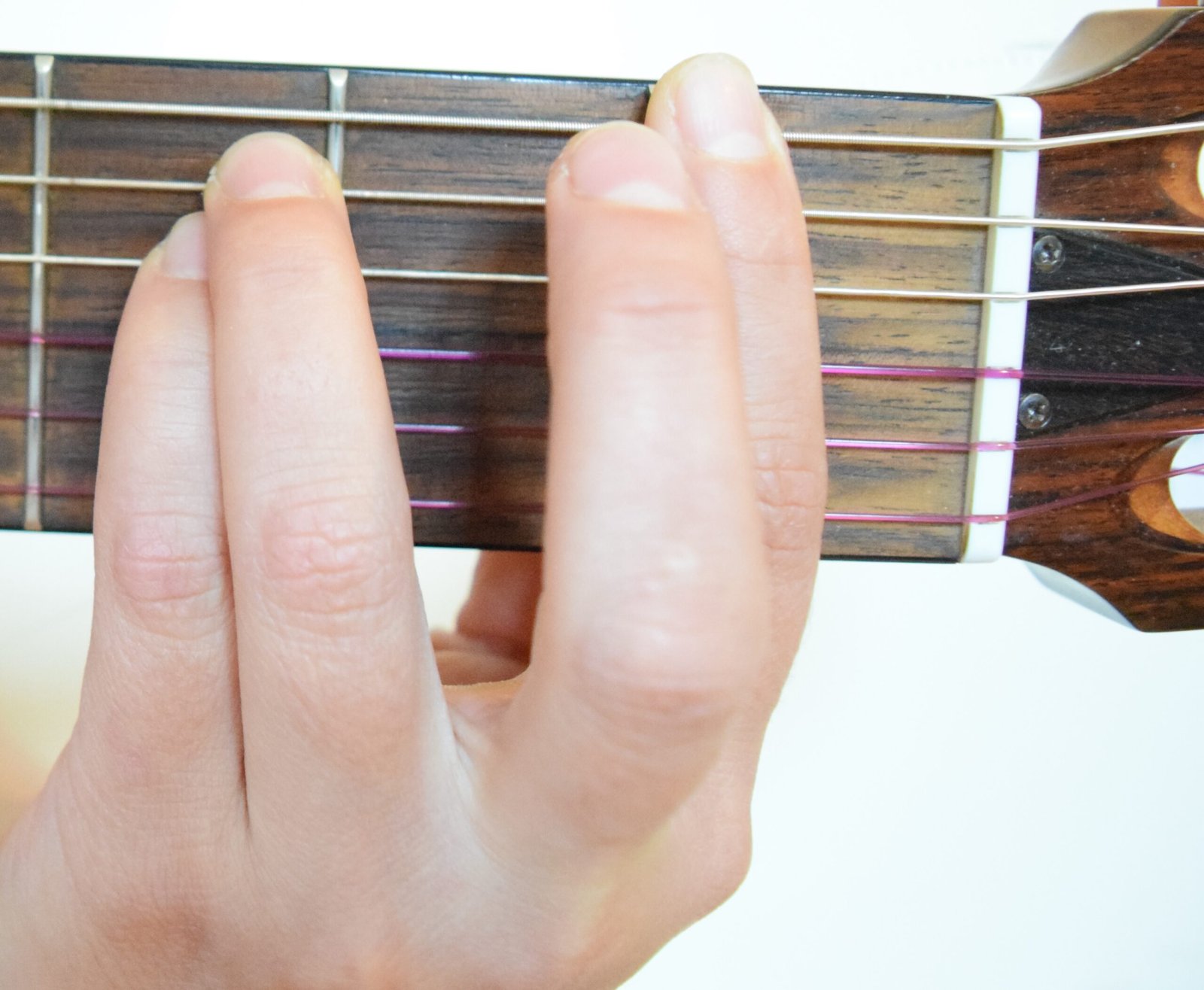
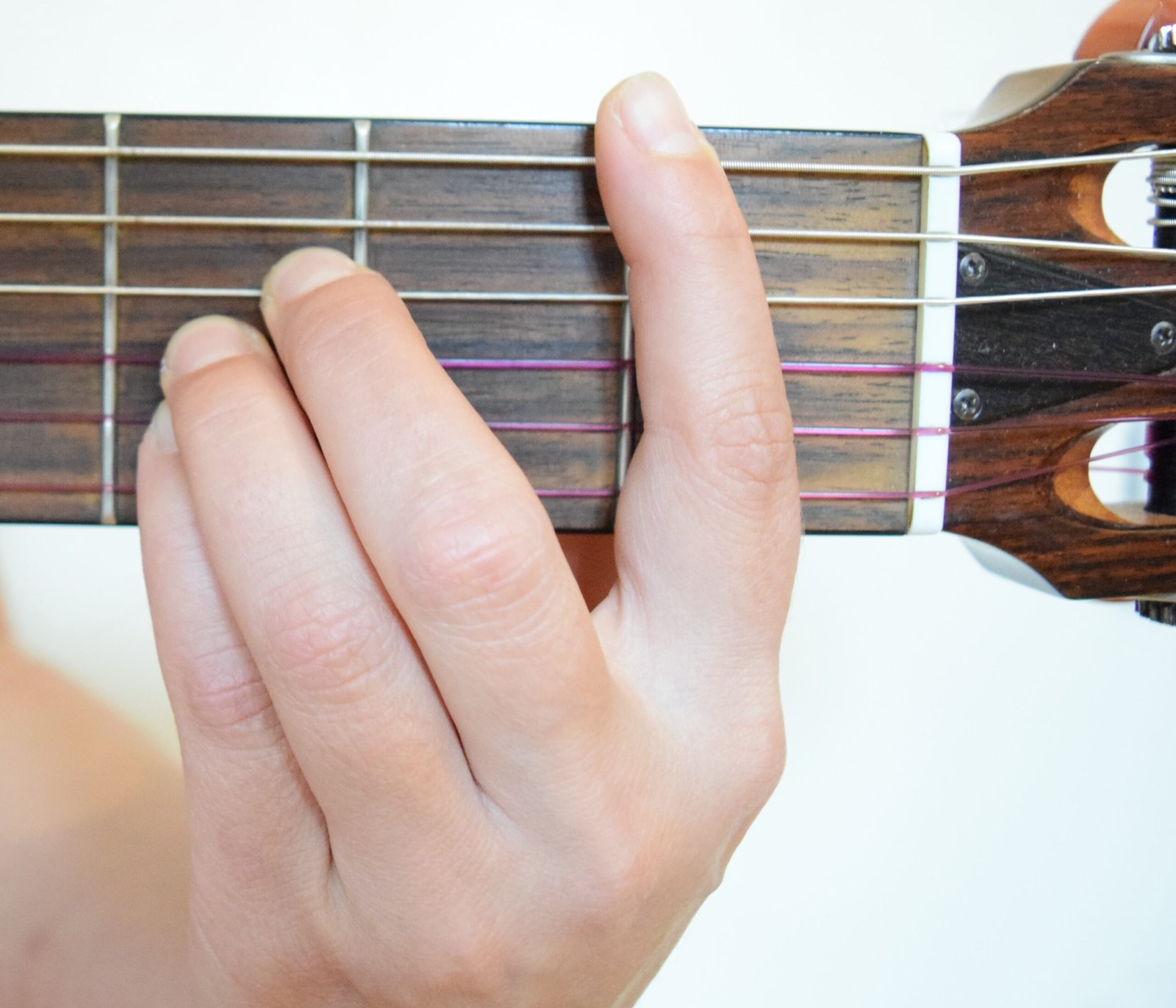
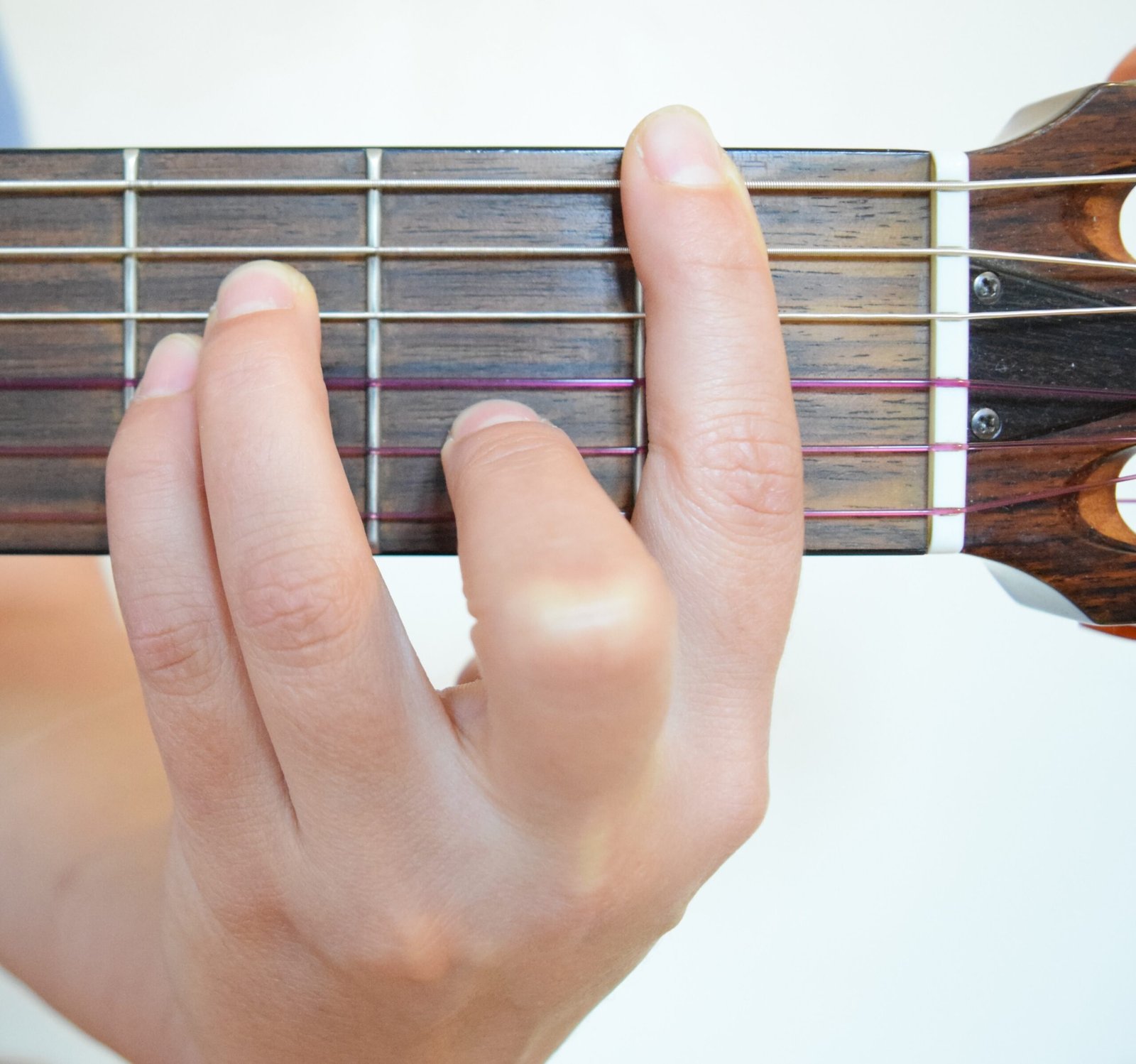
- The index finger should be completely straight and positioned just behind the fret, while all the other fingers remain curved.
- It is best to place the bottom of your index finger against the bottom of the neck, which means the tip of your index finger should not touch the guitar.
- You need to apply pressure with your index finger while also pulling slightly with your arm. This helps reduce the amount of force needed. The more you practice, the easier it will become as your hand muscles grow stronger.
Tips to get better
- Move together: Instead of moving your fingers one by one, try to move them together. The best way is to form the barre shape in the air before placing it on the fretboard. If you place your fingers one at a time, it will take much longer and slow you down when switching between chords.
- Check for a clean sound: Hold any barre chord you are practicing and play each string one by one to see if the sound is clear. If a string is muted, adjust your finger position in that spot until the sound becomes clean. If one particular string often sounds muted, focus on that string. Hold the shape and play only that string, then move the shape to different frets until the sound becomes consistent and clear.
- Make small movements: When changing between chords, do not lift your hand too far from the fretboard or move it around too much. Stay close to the strings and make small, controlled movements to reach the next chord.
- Do not stop the strumming: Many beginners make the mistake of stopping their strumming when changing between chords. This breaks the rhythm and makes the music sound awkward. Keep your strumming hand moving, even if you have not fully formed the next chord yet. It will sound much more natural and musical that way.
The Guitar lesson on the barre chords
Guitar Exercise on the barre chords
- Step 1:
Hold only the index finger across the strings, and you can use your middle finger to support it. The index finger should be straight and placed just behind the fret. Play all the strings one by one until each note rings clearly. Then move the shape to the next fret and repeat. - Step 2:
Place your index finger straight on the first fret and your middle finger on the second fret of the G string. Play all the strings again, and if any sound muted, adjust your position until each string rings clearly. Then move this shape to other frets along the neck and repeat. - Step 3:
Hold the E minor position. Your index finger should be straight on the first fret, your ring finger on the third fret of the A string, and your little finger on the third fret of the D string. This shape forms an F minor chord. Play all the strings and adjust until every note sounds clean. Then move the shape to other frets and repeat. - Step 4:
Now hold the E7 position. Place your index finger straight on the first fret, your ring finger on the third fret of the A string, and your middle finger on the second fret of the G string. This forms an F7 chord. Play all the strings one by one until the sound is clear, then repeat the exercise on different frets. - Step 5:
Finally, hold the E major shape. Your index finger is straight on the first fret, your ring finger is on the third fret of the A string, your little finger is on the third fret of the D string, and your middle finger is on the second fret of the G string. This forms an F major chord. Play all the strings until everything sounds clean, then move to other frets and repeat the exercise.
Guitar lesson and Exercise on the Barre Chords
Would you like to Learn Guitar chords with songs?
Sign-up for my course: Learn to Guitar Chords with Songs. Learn the Major, Minor, Barre chords with songs, music theory lessons, exercises and ear training games.
would you like to get an update when a new lesson gets published?
Then sign up for my newsletter!